How to choose a heatproof roof sheet in Bangladesh for your project
A roof may look fine from the outside and still create trouble underneath. The room becomes
difficult to use at noon. Rain hits the sheet so loudly that normal conversation feels tiring. A
few years later, rust appears around the screws, joints, or edges.
These problems are common in buildings covered with thin metal roofing. Bangladesh has long
summers, high humidity, heavy monsoon rain, and strong sunlight. The roofing material has to
deal with all of them, often on the same day.
A heatproof roof sheet in Bangladesh
can be a practical alternative for projects where indoor
heat, corrosion, rain noise, and regular maintenance are major concerns. Still, one type of
sheet will not suit every building. A rooftop room has different needs from a factory shed,
poultry farm, warehouse, or coastal project.
This guide explains what to examine before selecting a uPVC roofing sheet, where it works
well,
what installation details matter, and which mistakes can shorten the life of a roof.
Why does the right roofing sheet depend on the project?
People often start by asking, “Which roof sheet is best?” The question is
understandable, but it
is incomplete. The better question is, “Which sheet is suitable for this particular
roof?” A
small residential shade does not carry the same structural demand as a wide industrial shed.
A poultry farm needs better heat and sound control, while a warehouse may need a stronger
profile and dependable rain protection. Near the coast, corrosion becomes a bigger concern than
it is in many inland areas. Before ordering any sheet, consider:
How the covered space will be used
The total roof area
The condition of the existing frame
Exposure to sun, rain, wind, and humidity
Expected heat inside the building
Required sheet thickness and profile
Installation and accessory requirements
Future cleaning and maintenance access
Note: Making these decisions early is far less expensive than repairing a poorly planned
roof later.
What is a heatproof uPVC roof sheet?
uPVC stands for unplasticized polyvinyl chloride. It is a rigid
material used for roofing, pipes, doors, windows, and other building applications. Roofing-grade
uPVC sheets are shaped and manufactured to cover residential, commercial, agricultural, and
industrial structures.
Unlike a thin metal sheet, uPVC does not transfer heat as quickly. It also does not develop rust
in the same way as iron or conventional steel roofing.
Some roofing sheets use multiple layers or a protective surface treatment to improve resistance
to sunlight, weather exposure, and colour fading. The actual performance, however, depends on
the material grade, sheet construction, thickness, roof design, and quality of installation.
The word “heatproof” should not be misunderstood. The sheet will not make a building cold
by itself. It can help reduce direct roof heat and make the covered space more manageable than
it would be under a basic tin roof.
Looking for Long-Lasting Roofing Solutions?
Consult our experts for quality uPVC roof sheets with proper support and installation
guidance.
The answer changes with the building. Here are some common project types where uPVC roofing may
be useful.
Rooftop rooms and residential shades
A small room under a tin roof can become extremely uncomfortable in summer. The heat remains
trapped long after the strongest sunlight has passed.
uPVC roofing can be considered for rooftop rooms, verandas, balconies, outdoor kitchens, garden
seating areas, stair covers, and house extensions. A lighter roof colour, sufficient ceiling
height, and proper ventilation can further improve comfort.
For a residential project, appearance matters too. The profile and colour should match the
building instead of making the extension look temporary.
Factories and production sheds
Factory roofs usually cover a large area. Even a small planning mistake can affect hundreds or
thousands of square feet.
Garment units, packaging facilities, workshops, food-processing areas, and light manufacturing
sheds may benefit from roofing that reduces direct heat and does not rust easily. A more
comfortable production area may also reduce pressure on fans and cooling systems.
The sheet alone is not enough. Industrial projects need the correct profile, frame spacing,
fixing system, drainage plan, and provision for ventilation.
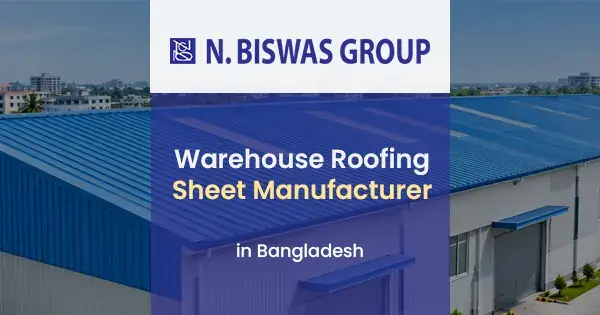
Warehouses and storage buildings
A warehouse protects more than the people working inside. It also protects products, packaging
materials, machinery, and inventory.
Excessive roof heat can make the storage area uncomfortable and may affect temperature-sensitive
goods. Leaks can cause even greater damage. For this reason, the roof slope, overlap, flashing,
ridge cover, and rainwater outlet need careful planning.
A warehouse roof should be selected according to the stored goods, span of the structure, and
the expected weather exposure.
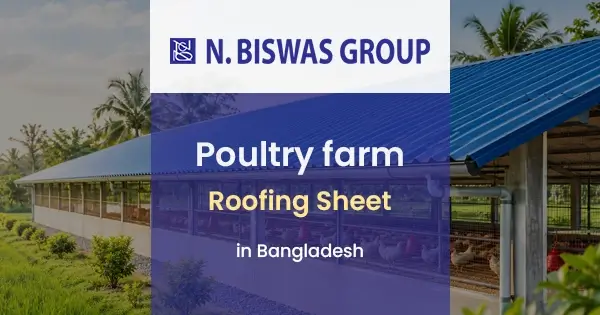
Poultry and dairy farms
Heat and sudden noise can create a stressful environment inside an animal shed. During summer, a
thin metal roof often raises the indoor temperature quickly. Heavy rain adds another problem
because the sound becomes sharp and continuous.
A uPVC roofing sheet generally produces less rain noise than a basic tin sheet and may help
limit heat transfer. This makes it worth considering for poultry farms, cattle sheds, dairy
units, feed-storage areas, and other agricultural structures.
Farm owners should also check ventilation, ridge openings, sidewall height, and drainage.
Roofing cannot correct a shed that has poor airflow.
Garages and parking shades
Parking roofs receive direct sunlight for much of the day. A heat-reducing sheet can provide
better protection for cars, motorcycles, and people walking through the area.
These structures are often simple, but they still need a firm frame. Loose screws, insufficient
slope, or wide unsupported gaps can cause movement during strong winds and rain.
Restaurants, resorts, and outdoor spaces
Semi-open dining areas, resort walkways, garden cafés, farmhouses, and event spaces need both
protection and appearance.
For these projects, the owner may prefer a cleaner or more decorative roofing profile. Colour,
edge finishing, gutter placement, lighting, and the view from below should be considered along
with heat and rain performance.
Coastal and humid locations
Metal roofing may corrode faster where the air carries salt or where moisture remains high for
long periods. uPVC does not rust like metal, which can make it useful in coastal and highly
humid areas.
That does not mean every component is automatically protected. Screws, frames, brackets, and
other metal accessories should also be chosen for the surrounding conditions.
What should you check before buying a heatproof roof sheet?
The cheapest quotation rarely tells the full story. Two sheets may look similar from the ground
but perform very differently after several summers and monsoons.
Sheet thickness
Thickness affects rigidity, handling, support requirements, and suitability for different roof
sizes. A small household shade may not need the same specifications as a factory or warehouse.
Do not select thickness from price alone. Ask the supplier to recommend it according to the
structure, frame spacing, roof span, and intended use.
Sheet profile
Corrugated, trapezoidal, tile-effect, and multi-layer sheets serve different visual and
structural needs.
A stronger industrial profile may suit factories and warehouses. A tile-style sheet may look
better on a restaurant or residential structure. Multi-layer construction may be preferred where
heat and sound control receive greater priority.
UV and surface protection
A roof remains exposed to sunlight every day. Poor-quality material may become brittle, fade, or
lose surface strength sooner than expected.
Ask what type of UV or weather protection the sheet contains. Also check whether the colour and
protective layer are part of the material or only a thin surface finish.
Frame condition and spacing
A good sheet installed on a weak or uneven frame will not perform properly.
The supporting structure must be level, stable, and suitable for the chosen roofing profile.
Excessive gaps between supports may cause sagging or unwanted movement. An old frame may need
repair before new sheets are installed.
Roof slope
Rainwater must leave the roof without collecting around joints or low areas. A roof with
insufficient slope may hold water and increase the chance of leakage.
The required slope can vary according to the sheet profile and roof length. It should be decided
before cutting and fixing begin.
Overlap and fixing method
Many roof leaks begin at the overlap, screw hole, ridge, flashing, or edge. They are not always
caused by defective sheets.
Installers should use the correct overlap and suitable screws with proper washers. Screws should
not be so loose that water enters or so tight that they damage the sheet.
Roofing accessories
Leaving these items out of the quotation may make the initial price look lower, but the roof
will remain incomplete. A complete roof may require:
Ridge caps
Flashing
Gutters
End covers
Suitable screws and washers
Sealants where appropriate
Rainwater outlets
Edge finishing components
Supplier and installation support
Ask who will measure the roof, prepare the material estimate, arrange delivery, and supervise
installation.
A reliable supplier should explain the limits of the product instead of promising that one sheet
can solve every roofing problem. Written specifications and clear installation instructions are
more useful than broad sales claims.
uPVC roof sheet vs conventional tin sheet
Both materials have suitable applications. The right choice depends on budget, structure,
climate, and expected performance.
Comparison point
uPVC roofing sheet
Conventional tin sheet
Heat transfer
Transfers heat more slowly than thin metal roofing
Becomes hot quickly under direct sunlight
Rain noise
Usually produces a softer sound
Often loud during heavy rain
Rust
Does not rust like metal
May corrode when the protective coating wears out
Initial cost
Commonly higher
Usually lower
Maintenance
Needs cleaning and joint inspection
May need rust treatment, repainting, or patch repair
Impact
Heavy falling objects may damage the sheet
Metal generally offers stronger impact resistance
Appearance
Available in several profiles and finishes
Commonly has a basic industrial appearance
Suitable projects
Homes, farms, warehouses, factories, and shades
Budget projects and structures where heat control is less important
Note: A tin sheet may still be reasonable for a temporary shed or a project with a tight
initial budget. uPVC becomes more relevant when the owner values heat control, rust resistance,
lower rain noise, and reduced maintenance.
Common mistakes people make when selecting roof sheets
A poor roofing decision does not always come from buying a bad product. Sometimes the buyer
chooses the wrong specification or overlooks the installation details.
Buying only by square-foot price
The lowest rate may refer to a thinner sheet, a different material grade, limited accessories,
or delivery without installation. Compare the complete scope, not only one number.
Using one specification for every building
A garage, poultry shed, house extension, and factory roof should not automatically receive the
same sheet. The roof area, support structure, wind exposure, and daily use are different.
Ignoring the frame
Some owners replace the sheet but leave a damaged, uneven, or rusted frame underneath. The new
roof then develops movement, poor alignment, or leakage.
Saving money on screws and accessories
Low-quality screws and washers can fail earlier than the main roofing sheet. Water often enters
through fixing points, not through the middle of the sheet.
Hiring an inexperienced installer
Cutting, drilling, overlapping, and tightening require care. A small installation error may
spread across the roof and become expensive to correct.
Blocking airflow
A heat-reducing roof works better when the building can release trapped hot air. Factory sheds,
farms, and rooftop rooms may need ridge ventilation, side openings, exhaust systems, or
additional airflow planning.
Why does installation have such a large effect on roof performance?
People sometimes blame the sheet for every leak. In reality, water may enter because the roof
slope is wrong, the overlaps are too short, a screw is misplaced, or the flashing does not meet
the wall correctly.
Good installation starts with measurement. The installer needs to check the roof length, width,
slope, frame level, support distance, and drainage direction. Sheets should then be planned to
reduce unnecessary joints and material waste.
Care is also needed during transport and lifting. Dragging sheets over rough surfaces or
throwing them from a vehicle may damage the edges before installation even begins.
After fitting, the entire roof should be checked from ridge to gutter. The team should look for
loose fixings, uneven overlaps, open flashing, blocked drainage paths, and unsupported sheet
edges.
uPVC roofing does not require complicated maintenance, but it should not be ignored.
Remove dry leaves, dust, branches, and other debris when they begin to block gutters or water
paths. Check the roof after a strong storm. Loose screws, damaged flashing, or shifted
accessories should be repaired early.
Avoid placing heavy equipment directly on the sheet. Anyone working on the roof should follow a
safe access plan and use supported walking areas where necessary.
For factories, farms, and warehouses, a roof inspection before the monsoon can prevent small
defects from turning into serious leaks.
When may a uPVC roof sheet not be the right choice?
No roofing material is perfect for every situation. The initial cost of uPVC roofing is
generally higher than that of basic tin sheets. It may also expand or contract slightly when the
temperature changes. Correct spacing and fixing methods help accommodate this movement.
The material can handle normal outdoor exposure, but a very heavy falling object may crack or
damage it. Buildings located under large trees or around activities that create a high-impact
risk may need additional assessment.
A weak structural frame is another concern. Lightweight roofing does not remove the need for a
safe, properly designed support system.
Understanding these limitations helps the buyer select the product for the right reasons.
Choosing roofing support from N. Biswas Group
BISWAS Heatproof Roof Sheet is a roofing business of N. Biswas Group. We
provide
uPVC roofing solutions for residential, agricultural, commercial, and industrial
projects across Bangladesh. We can help buyers assess the project type, select a suitable sheet
profile and thickness, estimate material requirements, and plan the necessary roofing
accessories.
Instead of choosing a sheet from appearance or price alone, discuss how the building will be
used. Share the roof measurement, frame condition, project location, and any existing heat or
leakage concerns. These details make the recommendation more practical.
Plan the roof before placing an order
Roofing decisions are easier to correct on paper than after the sheets have been installed.
Start with the building, not the product catalog. Check the structure, understand the weather
exposure, decide how much heat control the space needs, and confirm how rainwater will leave the
roof.
A carefully selected and properly installed heatproof roof sheet can make a home extension,
farm, factory, warehouse, garage, or commercial shade more comfortable and easier to maintain.
Contact us to discuss the roof size,
application, profile, thickness, accessories, delivery, and
installation requirements for your project.
Selecting a roofing sheet involves more than comparing prices. These answers cover some of the
practical questions buyers ask before planning a home, factory, farm, or commercial roof.
It can be suitable for rooftop rooms, verandas, balconies, outdoor kitchens, stair
covers, and house extensions. The final choice should depend on the roof frame,
available slope, ventilation, appearance, and expected sunlight exposure.
No roofing sheet can keep a room completely cool by itself. uPVC roofing can reduce
direct heat transfer compared with a basic tin roof. Ventilation, ceiling height,
insulation, windows, and the direction of the building also affect indoor
temperature.
Large factory and warehouse roofs usually need a stronger profile, suitable
thickness, correct frame spacing, and a planned drainage system. The specification
should be selected after measuring the structure and understanding its use.
Yes, uPVC roofing can be considered for coastal and humid areas because it does not
rust like metal. However, the screws, frame, brackets, and other accessories must
also be suitable for salty and moist conditions.
Not necessarily. Thickness should match the roof size, support spacing, profile,
wind exposure, and purpose of the building. Buying the thickest available sheet
without checking the structure may add unnecessary cost.
It needs basic care rather than intensive maintenance. Keep gutters and drainage
paths clear, inspect screws and joints after storms, and repair loose accessories
before the monsoon.
শিটের পুরুত্ব, প্রোফাইল, ইউভি সুরক্ষা, ছাদের ঢাল, ফ্রেমের দূরত্ব, স্ক্রু, ওভারল্যাপ
এবং ইনস্টলেশনের পদ্ধতি দেখতে হবে। শুধু প্রতি বর্গফুটের দাম দেখে শিট নির্বাচন করা ঠিক
নয়।
সাধারণ পাতলা টিনের তুলনায় ইউপিভিসি শিট তাপ ধীরে ভেতরে পৌঁছাতে সাহায্য করে। তবে ঘরের
বাতাস চলাচল, ছাদের উচ্চতা ও জানালার অবস্থানও ভেতরের তাপমাত্রায় প্রভাব ফেলে।
ভুল ঢাল, কম ওভারল্যাপ, ঢিলা স্ক্রু, নষ্ট ওয়াশার, খোলা ফ্ল্যাশিং বা বন্ধ ড্রেনেজের
কারণে পানি ঢুকতে পারে। তাই শিটের মানের পাশাপাশি ইনস্টলেশনের মানও গুরুত্বপূর্ণ।
Need heatproof roof sheet?
Get expert guidance on uPVC roofing solutions for homes, factories, warehouses, and
commercial projects.
Explore premium industrial profile uPVC roof sheets in Bangladesh from N. Biswas Group. Check types, benefits, specifications, applications, and prices.
Protect your poultry farm with heat-proof, durable roofing sheets. Perfect for commercial sheds in Bangladesh. Get quality uPVC solutions from N. Biswas Group.



 01709-634030